Compare integrated, flexible, and five-axis glass processing equipment for different thickness ranges, shapes, and production priorities.
Glass fabricators rarely receive only one type of order. Thin panels, standard sheets, irregular components, drilled parts, and detailed contours can place very different demands on the production floor. Choosing the right equipment route starts with three practical questions: What thickness range is required, how complex are the shapes, and which processes should be combined?
Integrated Processing for Thin Glass
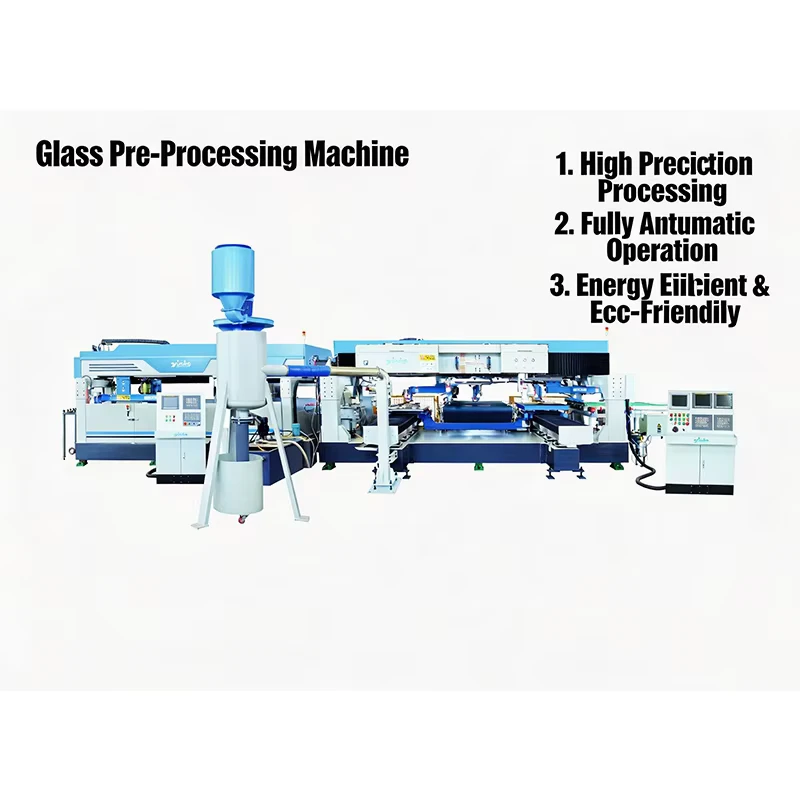
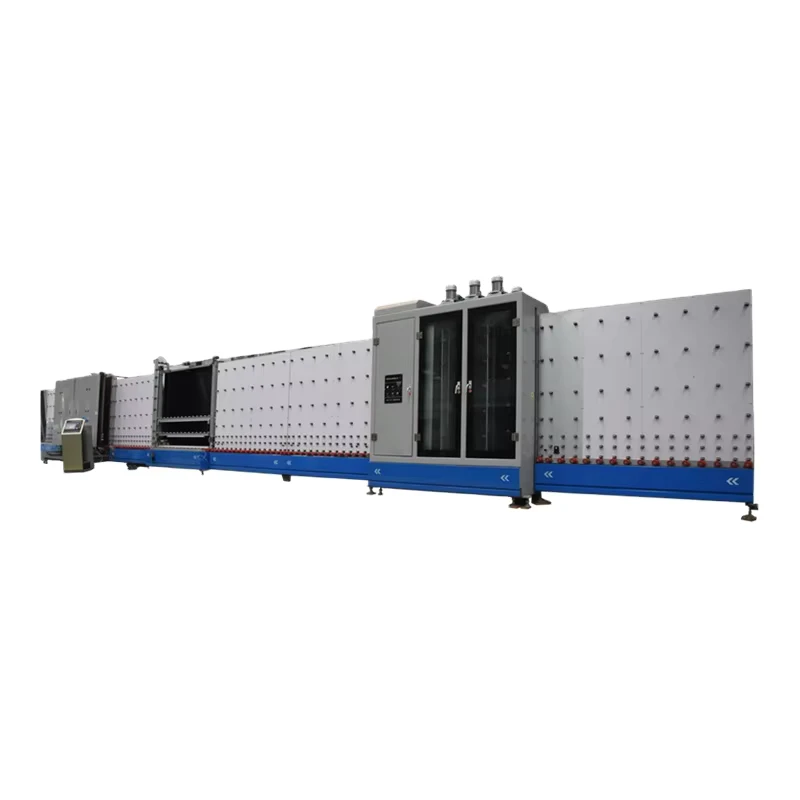
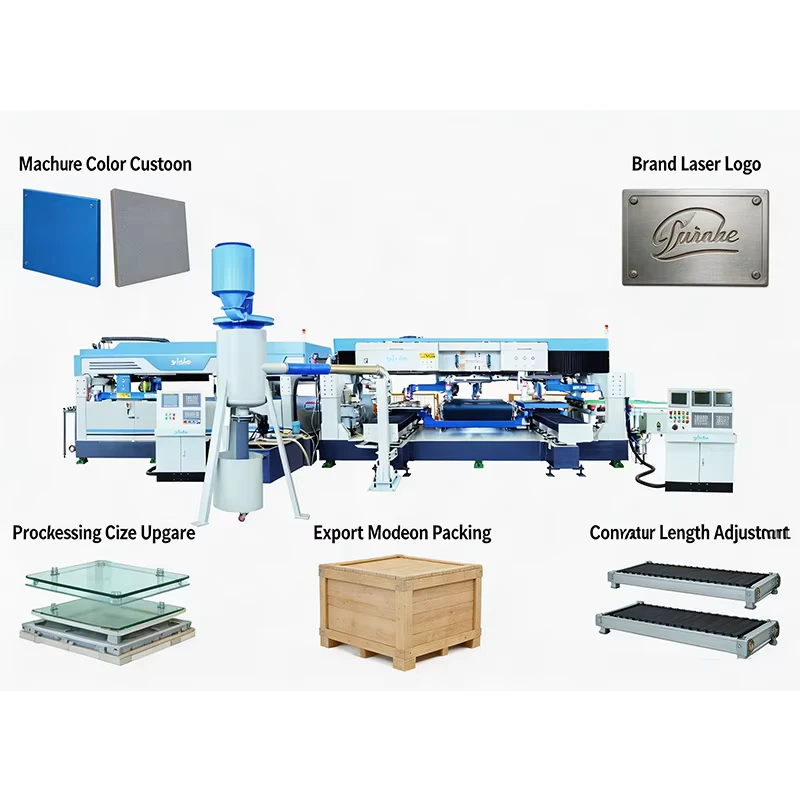
For glass from 1.6 to 6 mm, the automatic glass line combines cutting, break-off, grinding, and drilling in one production unit. Its 70 kW rated power and automated workflow make it relevant to factories seeking consistent processing across several stages while reducing transfers between separate machines. The standard voltage is 380 V, with adaptation available for other national electrical requirements.
Flexible Cutting and Complex Geometry
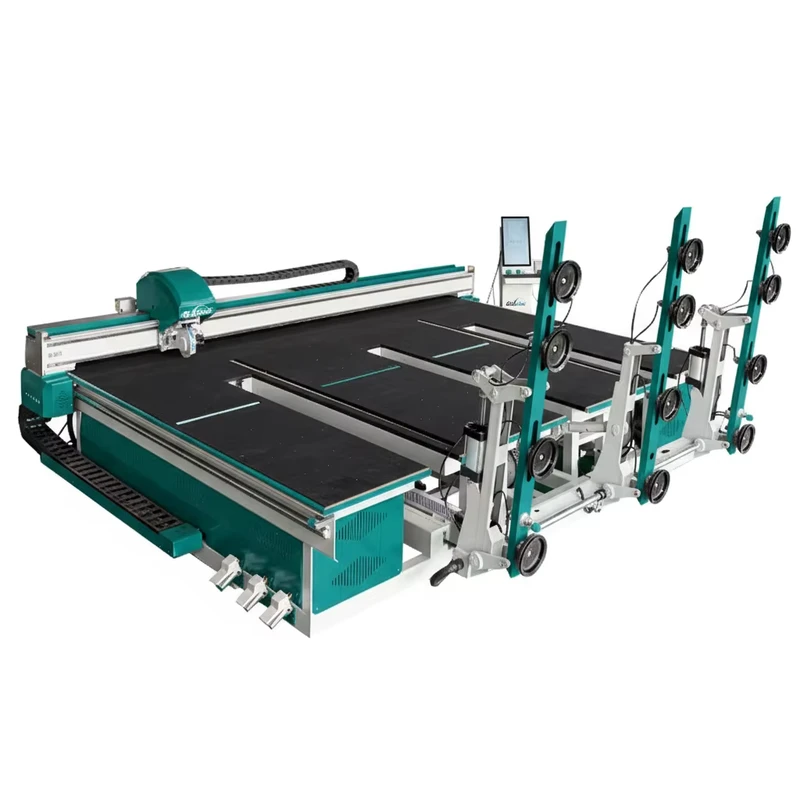
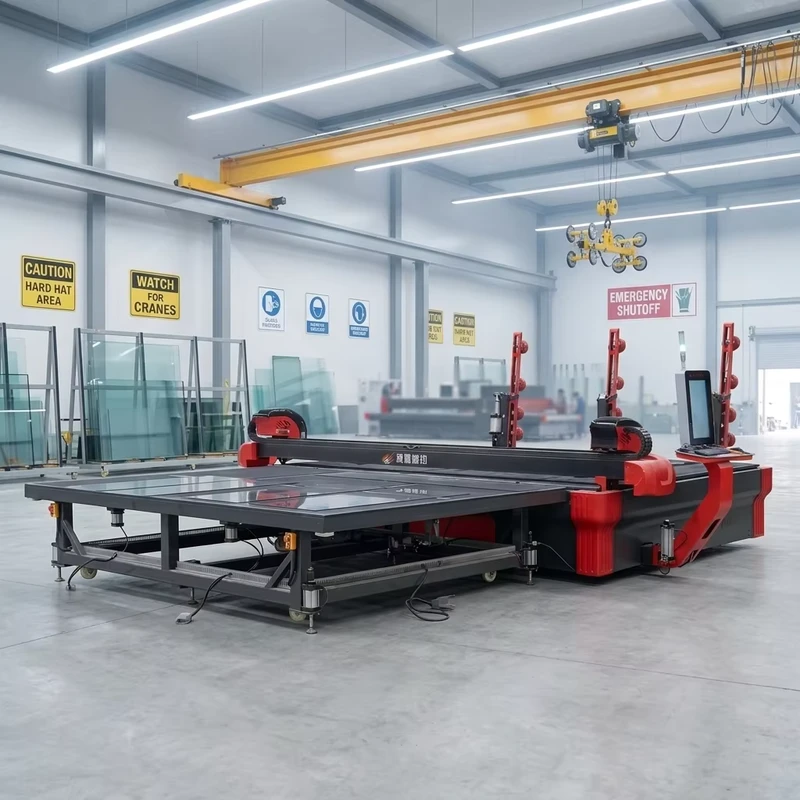
When the product mix includes thicker sheets or frequently changing shapes, the three-in-one cutter offers another route. It supports glass from 3 to 19 mm and integrates 360-degree walking loading arms with cutting and a breaking table. This configuration is designed for straightforward operation and can suit workshops handling both regular panels and irregularly shaped orders.
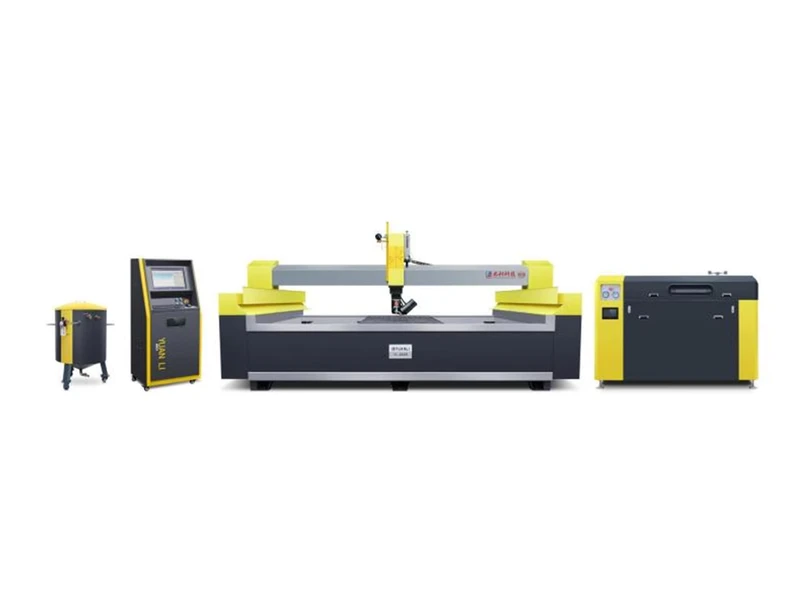
For intricate contours, angled processing, or seamless-joint applications, the five-axis waterjet provides ±0.025 mm repeatability and ±0.1 mm cutting accuracy. Its X, Y, and Z travels are 2500, 1500, and 150 mm, supported by PLC, motor, and electrical components. Voltage options include 220, 380, and 415 V.
Importers, distributors, and project buyers can explore the wider glass machinery range and compare equipment by glass specification, process sequence, floor space, and local power supply. Send your target materials, finished-part drawings, and expected output to begin a focused equipment discussion.