Compare robotic glass handling, PLC insulating glass production, and integrated drilling and sandblasting equipment for a more balanced factory.
A glass factory can lose efficiency between processes even when each individual machine performs well. Sheets must be moved, insulating glass units require controlled assembly, and bathroom glass needs specialized finishing. Selecting equipment around these transition points helps importers and project buyers create a more balanced production layout.
Connect Handling with Core Production
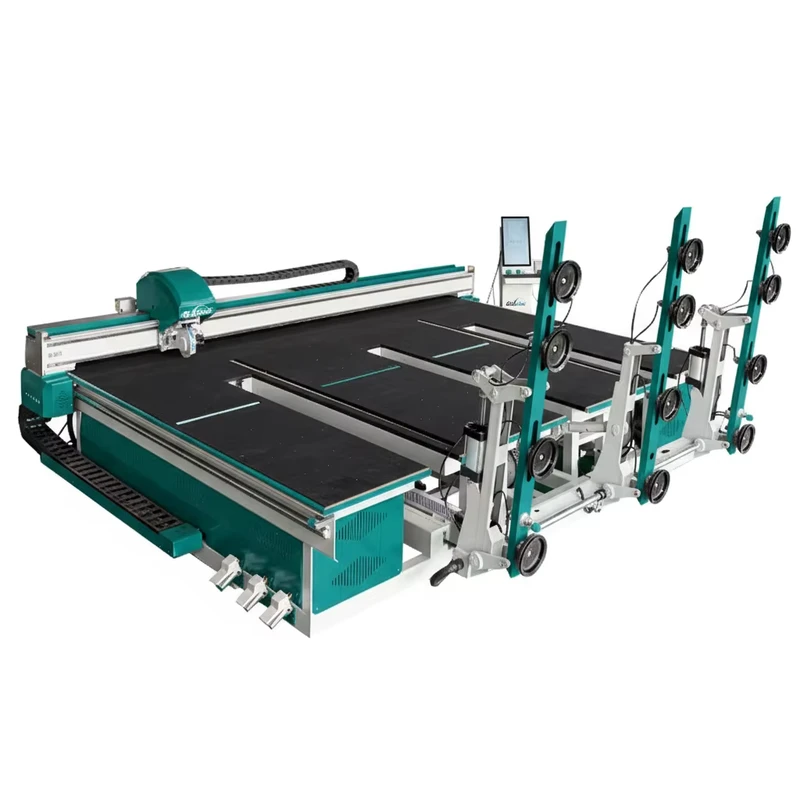
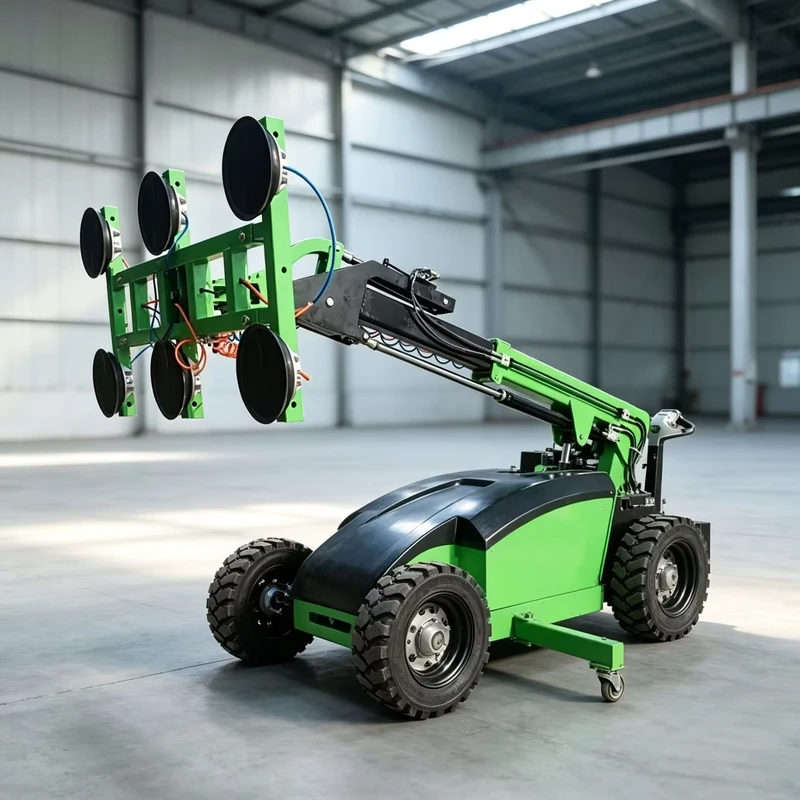
The robotic glass mover provides a dedicated solution for factory handling and logistics. It is specified for 10 mm glass, an 800 kg load, and 220 V or 380 V operation. Its 2.2 kW power rating and easy-operation focus make it relevant when evaluating labor requirements, aisle space, and material transfer between processing stations.
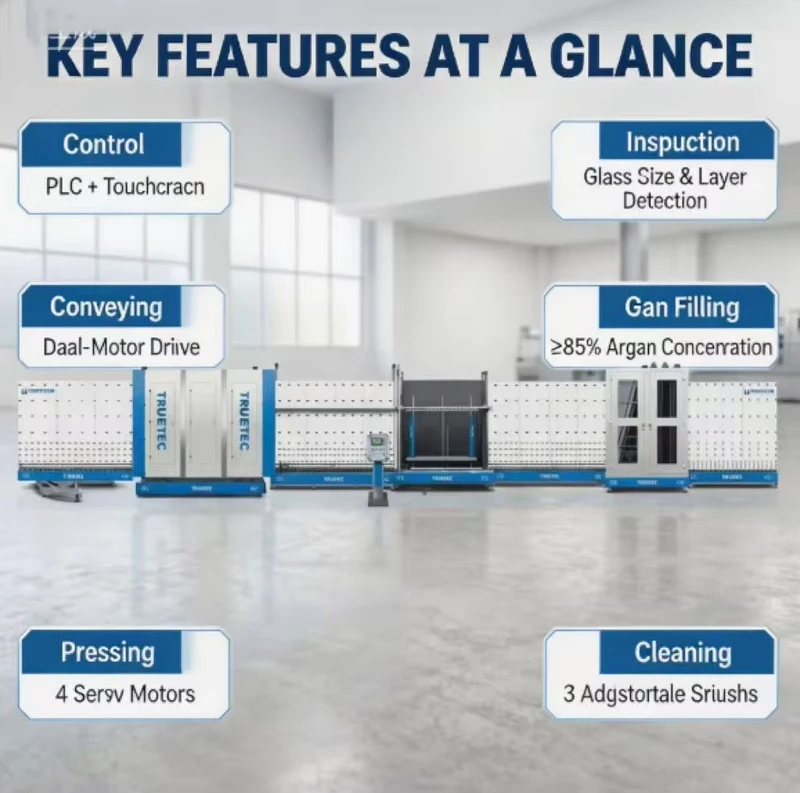
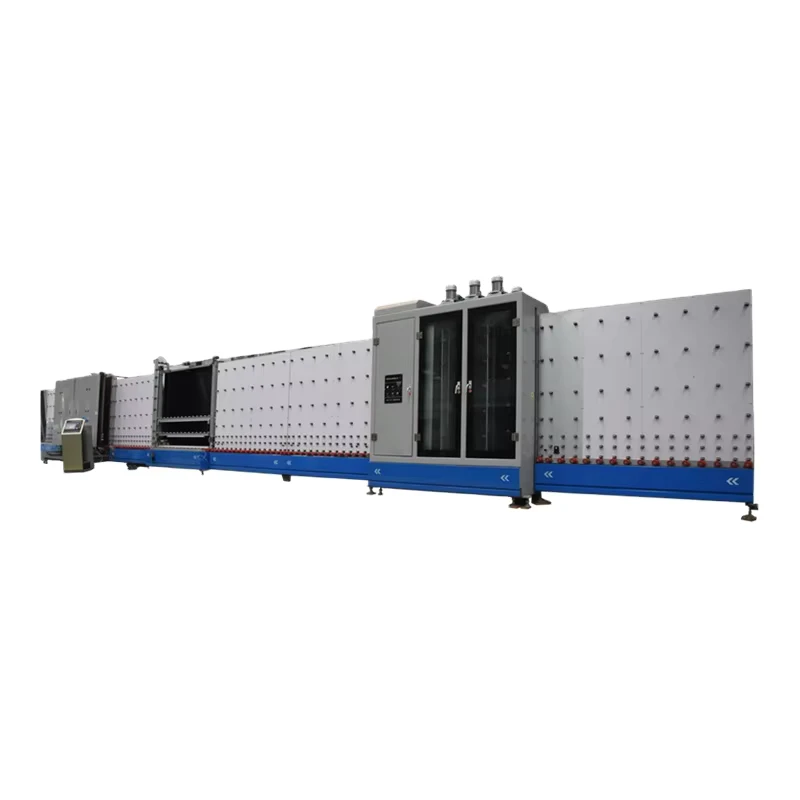
For insulated units, the PLC insulating line processes glass from 3 to 18 mm thick. The 40 kW line supports 220 V or 380 V configurations and offers an optional remote communication function. Buyers should confirm required glass sizes, line direction, utility connections, control language, and remote-support requirements before finalizing the configuration.
Finish Specialized Glass Products
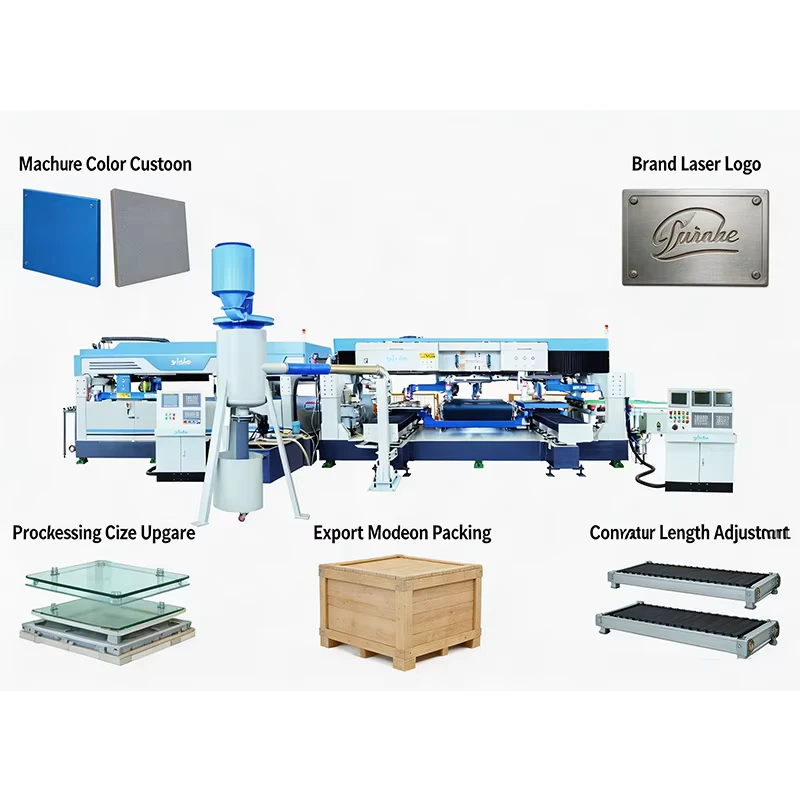
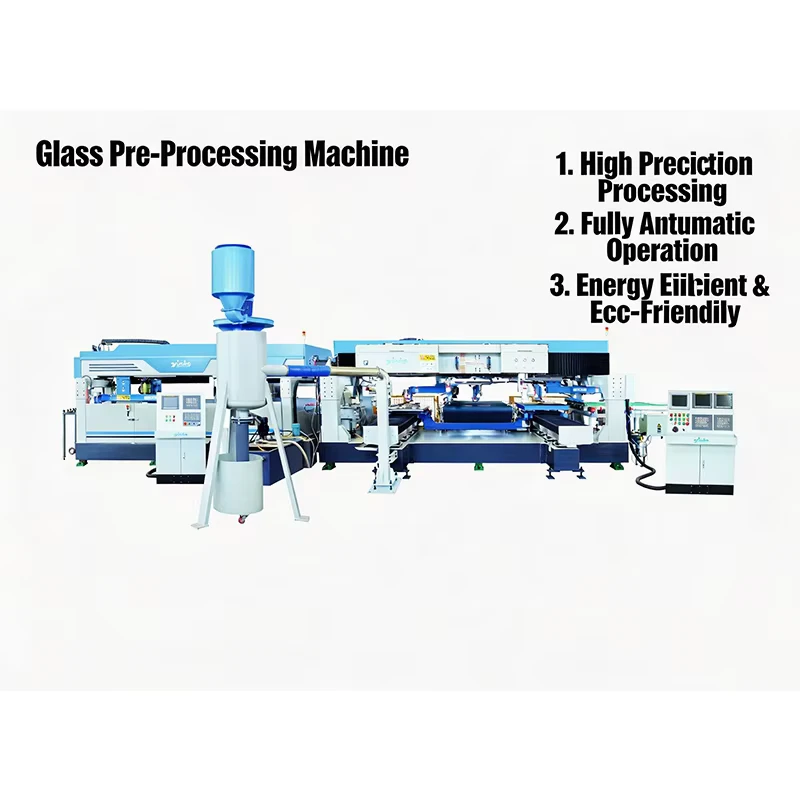
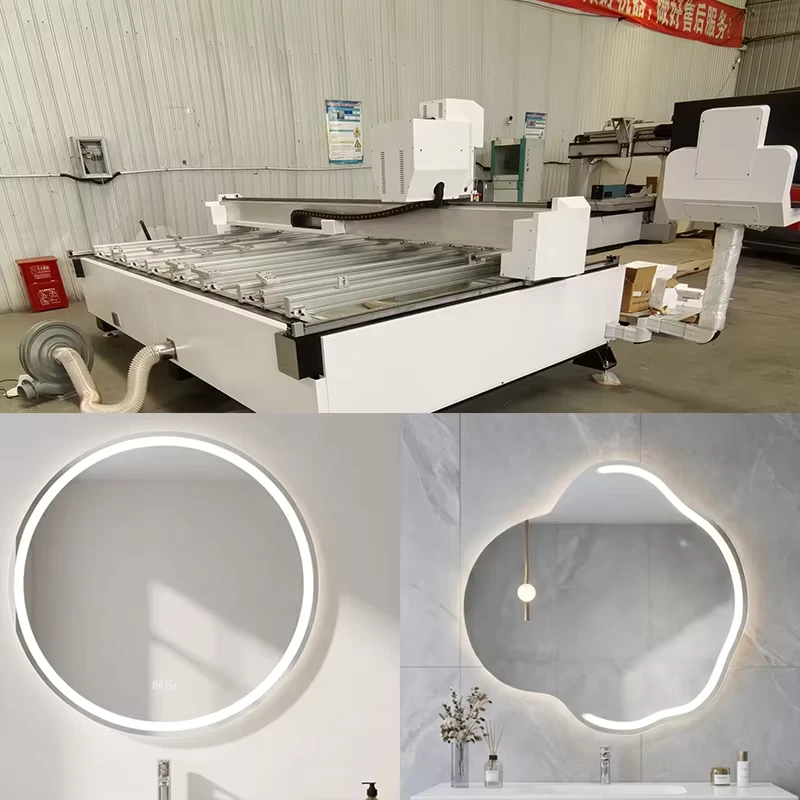
The bathroom glass machine combines high-precision drilling and sandblasting functions in one equipment concept. It operates at 220 V, lists 220 W power, and incorporates bearing, gearbox, and motor components. Its follow-up dust extraction arrangement should be reviewed alongside hole patterns, surface treatment requirements, workshop ventilation, and expected product dimensions.
These machines address different stages rather than competing for the same task. A sourcing plan should compare throughput, glass specifications, floor space, electrical standards, documentation, installation, and after-sales support. Explore additional glass machinery, or send your production requirements for configuration guidance and a tailored quotation.