Explore three glass machines for loading, cutting, drilling, milling, and insulating glass gas filling in one coordinated production workflow.
Efficient glass fabrication depends on more than the speed of one machine. Material handling, primary cutting, secondary processing, and insulating glass production must work as a connected sequence. For importers and project buyers, selecting complementary glass machinery can reduce unnecessary transfers while creating a clearer path from raw sheets to finished components.
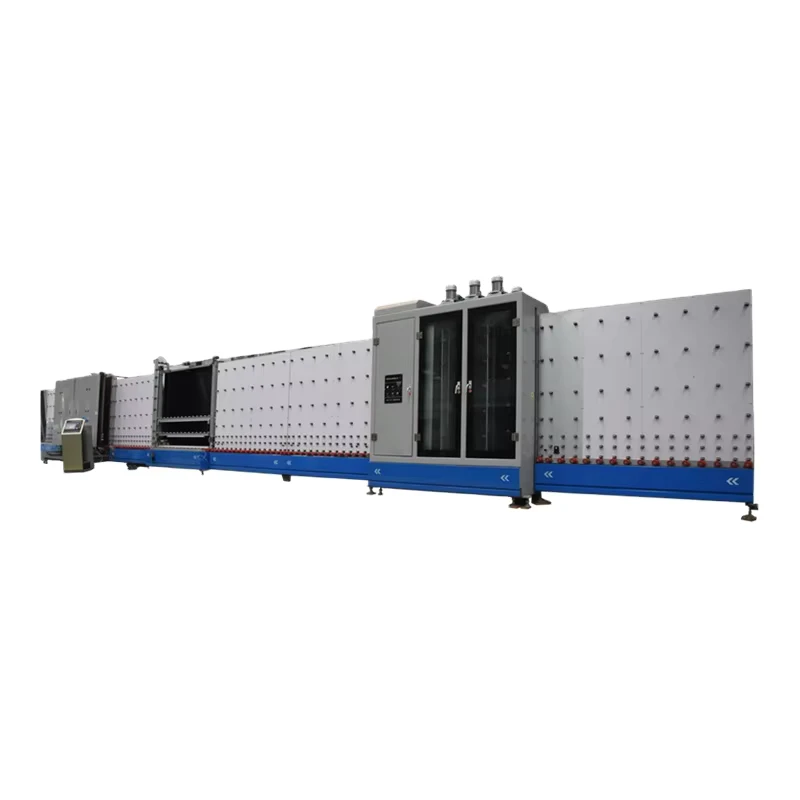
Start with an Integrated Cutting Stage
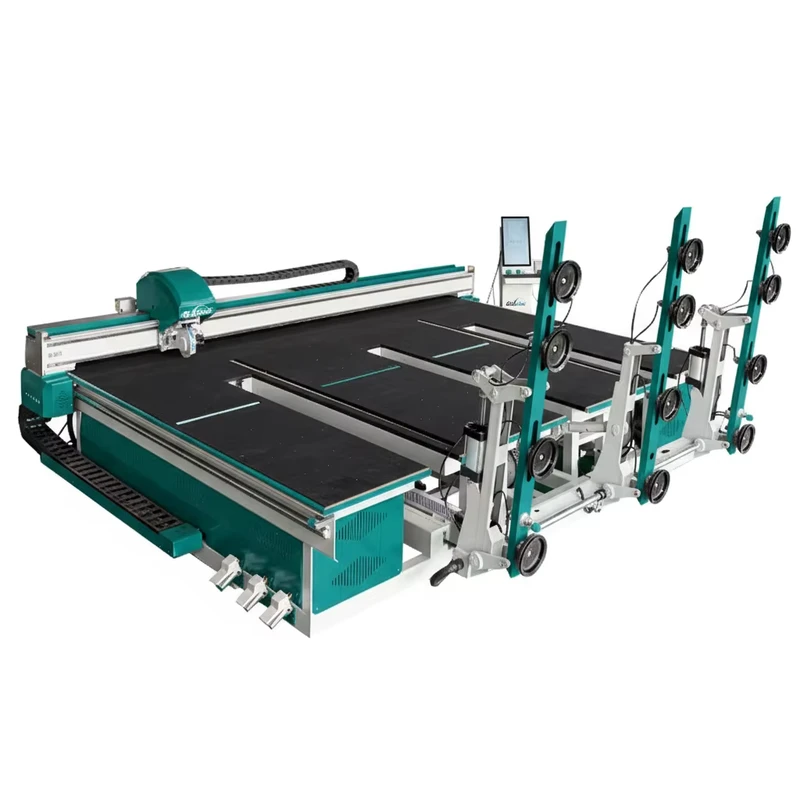
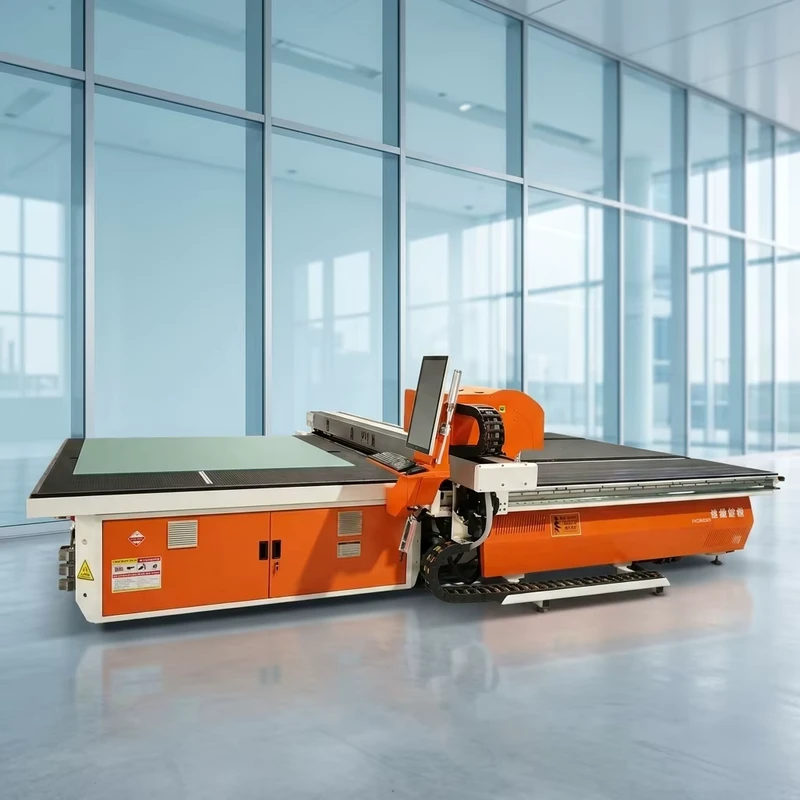
The three-in-one cutting machine combines loading, cutting, and breaking functions in one system. It processes glass from 2 to 19 mm thick and has a stated capacity of 800–1,000 square meters per day. With 380 V operation, 10 kW power, and a 6,000 × 4,800 × 900 mm footprint, it is designed for factories seeking consolidated primary processing.
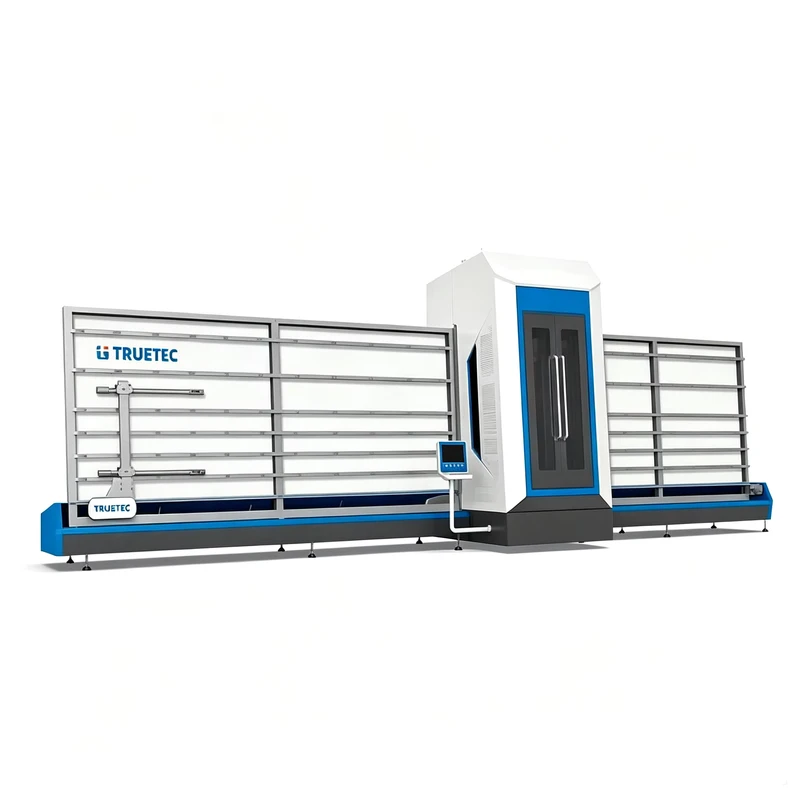
After cutting, fabricated panels may require holes, slots, or milled features. The vertical processing center supports drilling and milling for glass thicknesses from 1 to 40 mm. Its multifunctional design and 12 kW rated power make it suitable for varied architectural, furniture, appliance, and custom glass requirements.
Complete the Insulating Glass Process
For manufacturers producing sealed units, the insulating glass gas filler adds a specialized downstream stage. PLC control supports repeatable operation, while the listed 1–40 mm glass thickness range provides flexibility for different production specifications. The machine weighs approximately 3,500 kg, an important consideration when planning installation, flooring, and shipment.
Before ordering, buyers should confirm glass formats, required tolerances, factory voltage, daily output targets, available floor space, and upstream or downstream compatibility. Share your production plan and target products with us to discuss suitable configurations, export documentation, and commercial terms.