
Compare integrated CNC, portable edge grinding, and insulated glass line options for different production scales and sourcing priorities.
Selecting glass processing equipment is not simply a question of buying the most automated machine. Importers, distributors, and project buyers should first define glass thickness, finished product, daily workload, available floor space, and operator skill level. A suitable configuration can improve workflow while avoiding unnecessary capital and installation costs.
Choose Equipment Around the Processing Task
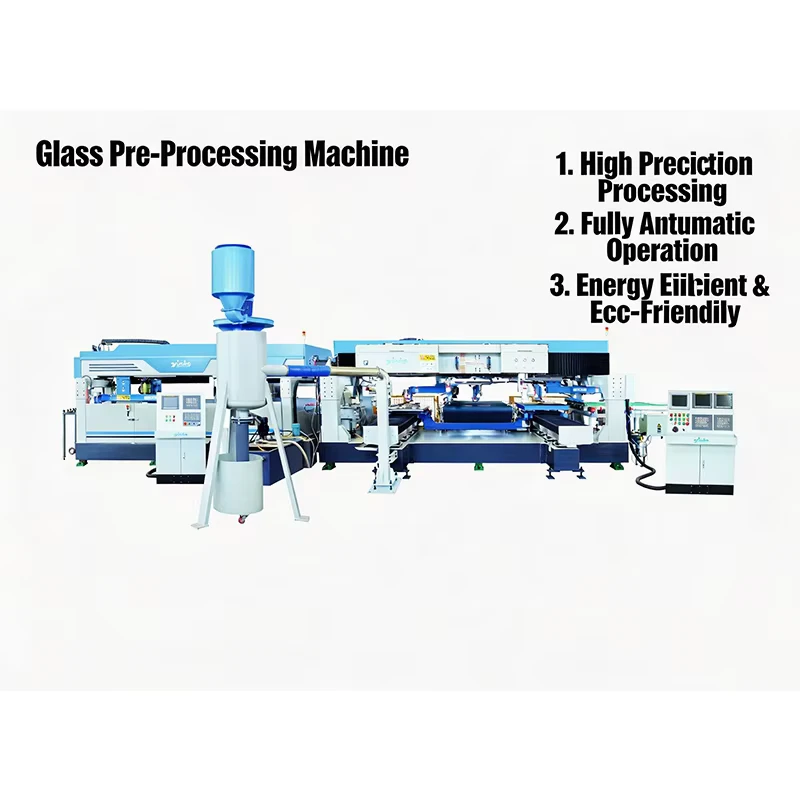
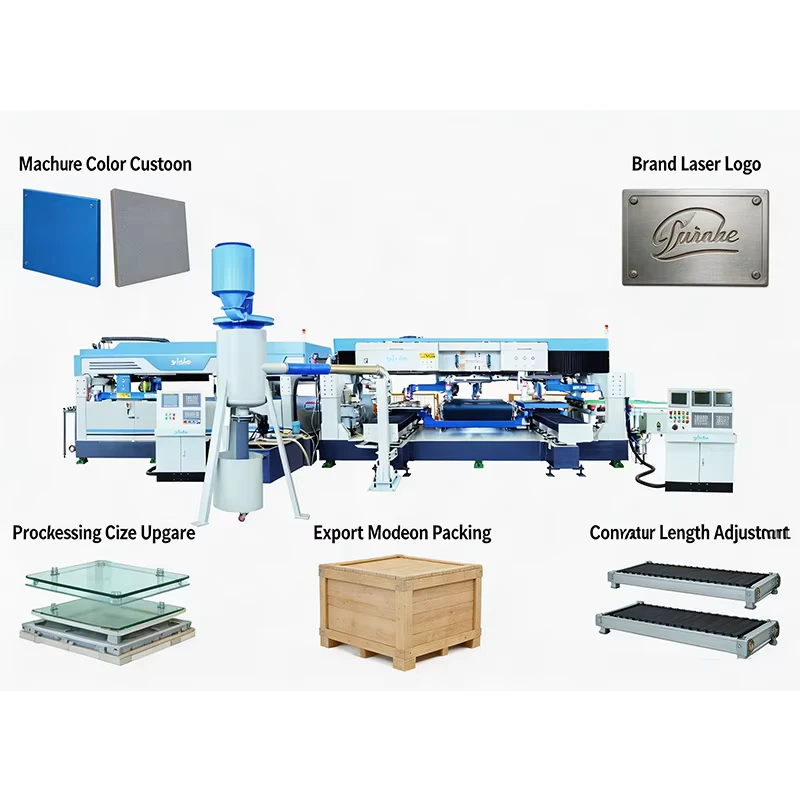
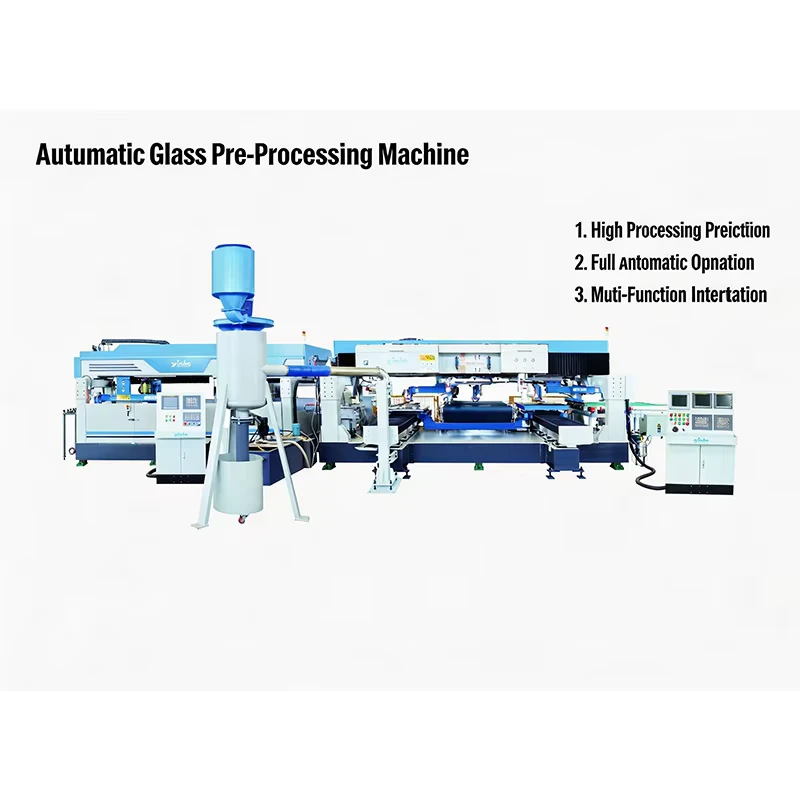
For thin glass processing, the integrated CNC line combines cutting, break-off, grinding, and drilling functions. It handles glass from 1.6 to 6 mm and uses 70 kW of power. Its multi-process design can reduce transfers between separate machines, making it relevant to factories seeking a more connected production flow. The standard voltage is 380 V, with adaptation available for other markets.
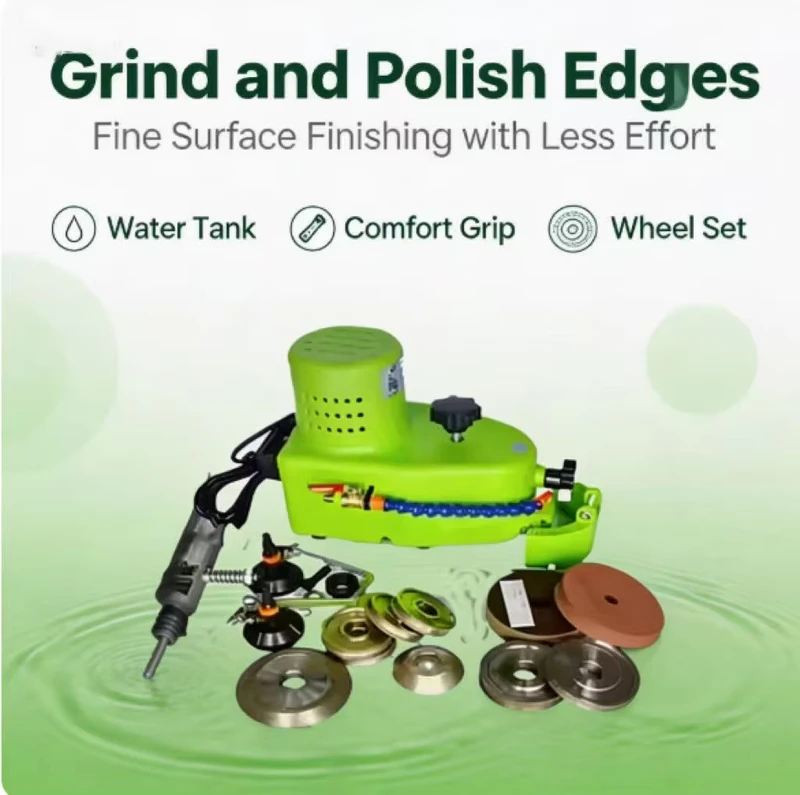
Smaller workshops, repair operations, and businesses with varied order volumes may prefer a portable edge grinder. Designed for 3–20 mm glass, this 20 kg machine supports 220 V or 380 V configurations. Its compact format and straightforward operation make it practical for edge finishing, polishing, sampling, and low-volume processing where a full production line would be excessive.
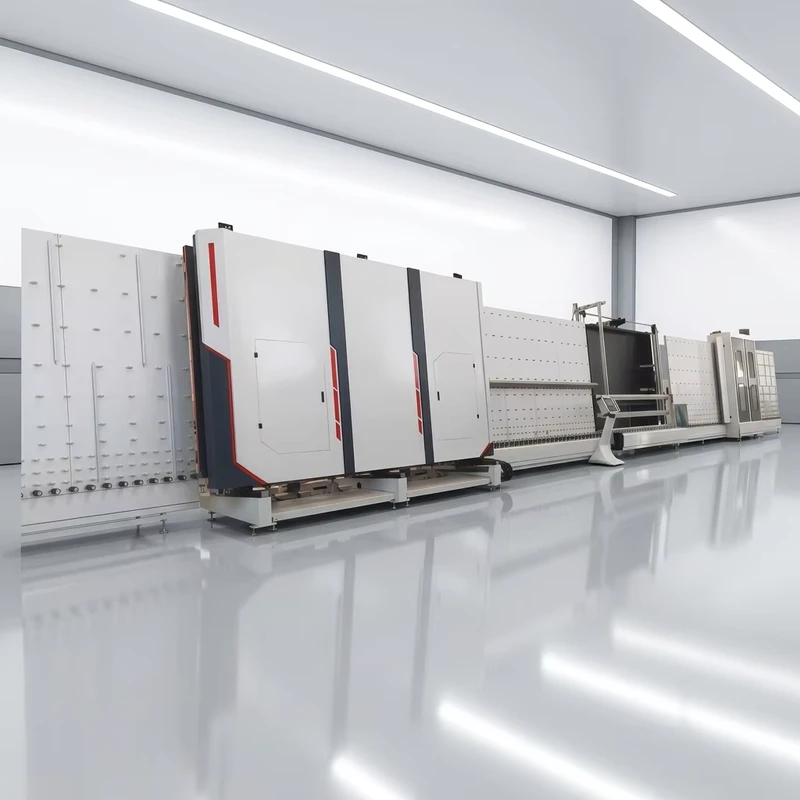
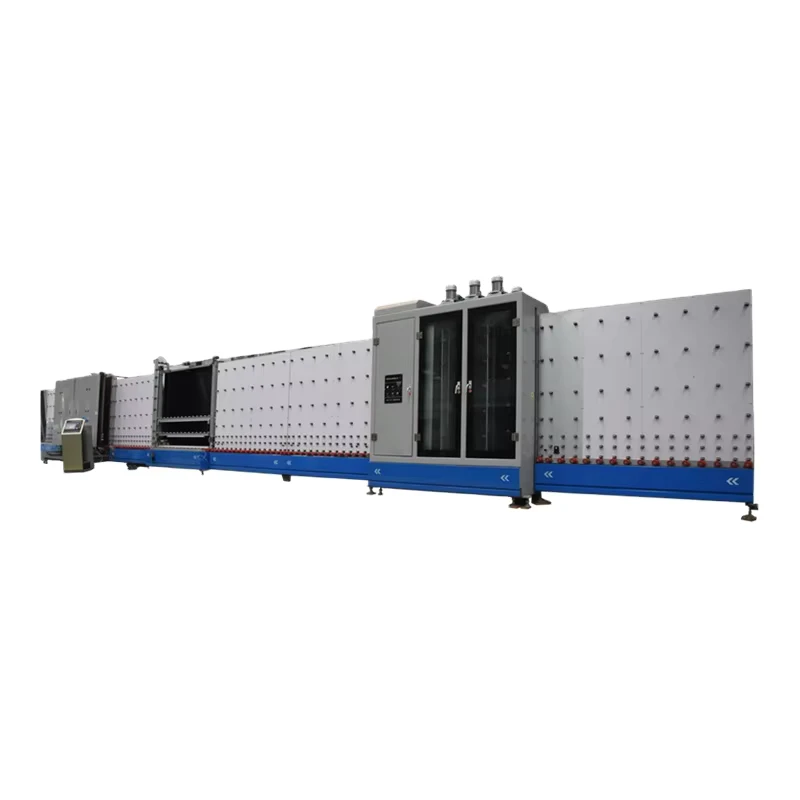
Manufacturers producing architectural glazing can consider the insulated glass line. It processes 3–19 mm glass and incorporates a PLC, motor, gear, pump, and engine system. With a listed size of 26,500 × 2,100 × 3,500 mm and a weight of 6,500 kg, it requires detailed planning for workshop layout, transport, foundation conditions, utilities, and commissioning.
Evaluate More Than the Machine Price
Before ordering from a broader glass machinery range, buyers should confirm voltage, production goals, core component specifications, inspection documentation, spare-parts availability, and after-sales support. Video outgoing inspections are available for the featured machines, while documentation should be verified for the selected configuration.
Share your glass type, thickness range, target output, destination country, and factory layout to discuss an appropriate equipment solution and receive a tailored quotation.